

Does THCA Show Up on a Drug Test?
Exploring THCA Online: A Comprehensive Guide
In recent years, the interest in cannabinoids, particularly their wellness potential, has surged dramatically. Among the hundreds of cannabinoids present in the Cannabis plant, tetrahydrocannabinolic acid (THCA) stands out as a compound with promising medicinal properties. This article aims to provide an insightful exploration of THCA, shedding light on its chemical properties, potential wellness benefits, and current research findings.
What is THCA?
THCA, or tetrahydrocannabinolic acid, is a non-intoxicating cannabinoid found in raw and live cannabis plants. Unlike its more famous counterpart, THC (tetrahydrocannabinol), THCA does not produce psychoactive effects when consumed in its natural form. It is only when THCA undergoes decarboxylation —typically through heating—that it converts to THC, the compound responsible for the euphoric "high" associated with cannabis use.
Chemical Structure and Properties
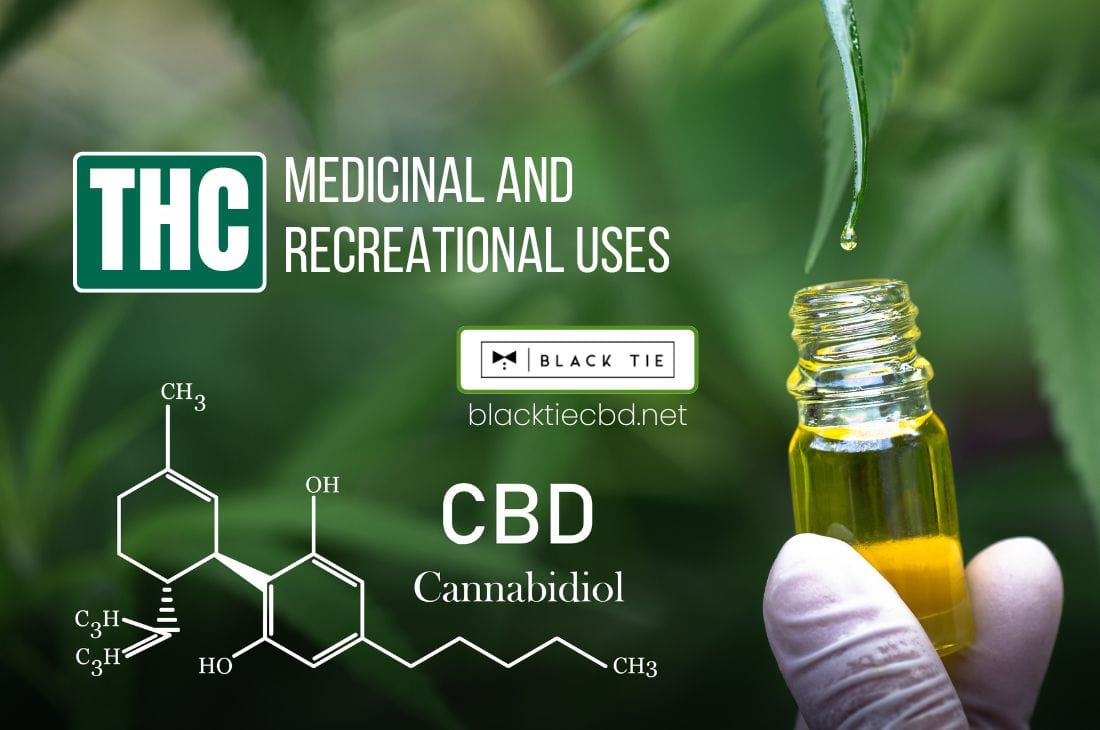
Chemically speaking, THCA has a molecular formula of C22H30O4 and a molecular weight of 358.48 g/mol. It is an acidic cannabinoid, primarily found in the trichomes of cannabis plants, which are the resin-producing glands. THCA crystallizes at room temperature, forming a crystalline structure that is visually distinct from other cannabinoids like CBD or CBG.
Potential Wellness Benefits of THCA
Emerging research suggests that THCA may offer a range of potential wellness benefits, although further studies are needed to substantiate these claims. Some of the areas where THCA shows promise include:
- Anti-Inflammatory Properties: Preliminary studies indicate that THCA may possess anti-inflammatory properties, which could make it a potential therapeutic agent for conditions characterized by inflammation, such as arthritis.
- Neuroprotective Effects: There is growing interest in THCA's neuroprotective potential, with some studies suggesting that it may help project against neurodegenerative diseases like Alzheimer's disease.
- Anti-Nausea and Appetite Stimulant: Traditional medicinal use of cannabis has long highlighted its ability to reduce nausea and stimulate appetite, and THCA is believed to play a role in these effects.
- Antioxidant Activity: THCA has been shown to exhibit antioxidant properties, which may help combat oxidative stress and its associated health risks.
Current Research and Clinical Trials
While the potential wellness benefits of THCA are promising, it is essential to approach these claims with caution. Most of the existing research on THCA is preclinical, meaning it has been conducted primarily in laboratory settings or animal models. Human clinical trials exploring the therapeutic potential of THCA are limited but growing.
Researchers are actively investigating THCA's effects on various health conditions, including chronic pain, epilepsy, and cancer. These studies aim to elucidate the mechanisms underlying THCA's therapeutic actions and determine its safety and efficacy in human subjects.
Exploring THCA Online: Resources and Platforms
For those interested in delving deeper into the world of THCA the internet offers a wealth of resources, including scientific articles, educational videos, and community forums dedicated to cannabis research. Some reputable online platforms and organizations focusing on cannabis education and research include:
- PubMed: A comprehensive database of scientific journals where you can find peer-reviewed articles on THCA and other cannabinoids.
- Project CBD: An educational platform that provides information on the therapeutic uses of cannabis, including THCA.
- Cannabis Research Organizations: Organizations such as the International Association for Cannabinoid Medicines (IACM) and the Society of Cannabis Clinicians (SCC) offer valuable insights into the latest research findings on THCA.
- Online Forums and Communities: Websites like Reddit's r/cbd and r/cannabis provide platforms for individuals to share experiences, research findings, and insights related to THCA and cannabis in general.
Conclusion
Overall, the exploration of THCA is an exciting frontier in the field of cannabinoid research, offering promising avenues for therapeutic development. As scientific interest in THCA continues to grow, it is essential to stay informed and approach the topic with an open mind, recognizing both its potential benefits and limitations.
Whether you are a healthcare professional, researcher, or curious individual, the online landscape offers a plethora of resources to deepen your understanding of THCA. By leveraging these resources responsibly, we can contribute to the advancement of knowledge and potentially unlock the full wellness potential of this intriguing cannabinoid.